
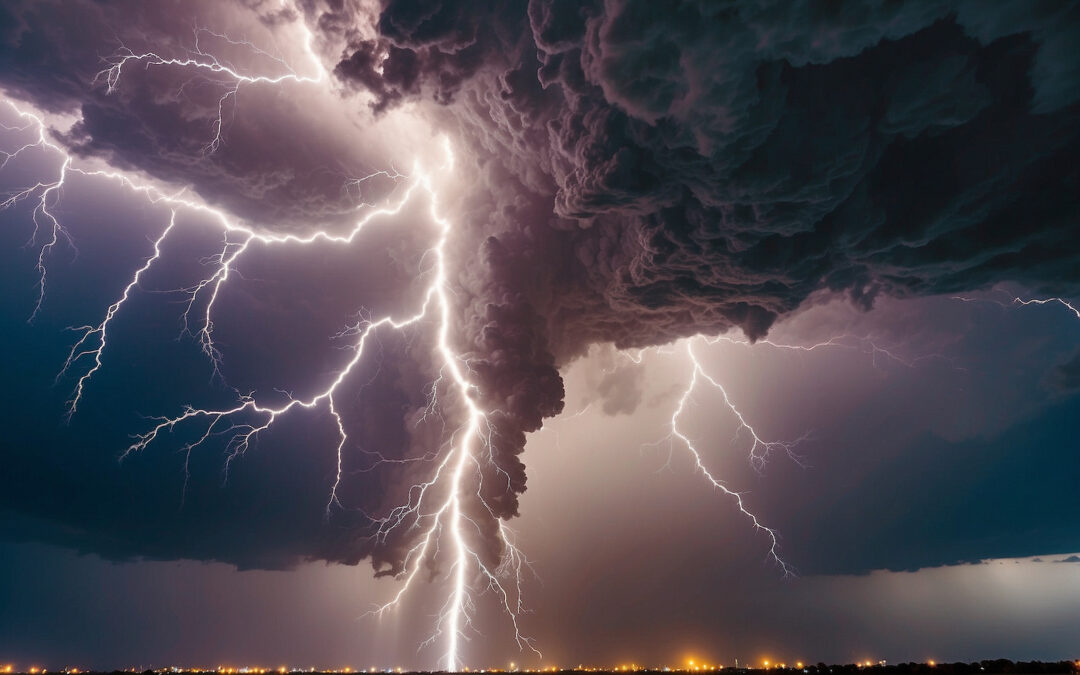
In the Midwest, severe weather isn’t a matter of if—it’s a matter of when. As we enter peak storm season, March is the ideal time to review safety plans and ensure you’re prepared at home and at work. A few proactive steps today can make a critical difference when severe weather strikes.
Stay Informed
Severe weather can develop quickly. Make sure you’re receiving accurate, real-time information:
- Monitor local forecasts through trusted news sources and weather apps.
- Keep a NOAA weather radio available for emergency alerts.
- Understand the difference between watches (conditions are possible) and warnings (take action immediately).
- Confirm that emergency alerts are enabled on your mobile devices.
Build or Refresh Your Emergency Kits
If you already have a kit, whether for your car or home, check expiration dates and replace depleted items. If not, assemble one that includes:
- Bottled water (at least one gallon per person, per day)
- Non-perishable food
- Flashlights with extra batteries
- First-aid supplies and necessary medications
- Battery-powered or hand-crank radio
- Important documents stored in a waterproof container
- Extra clothing, sturdy shoes, and blankets
Preparedness is not just about having supplies — it’s about having them ready and accessible.
Identify Your Safe Shelter Locations
Know where to go before a storm hits.
At Home:
- Seek shelter in a basement if available.
- If no basement, choose an interior room on the lowest level, away from windows and exterior walls.
At Work:
- Review your facility’s emergency procedures.
- Know designated shelter areas and evacuation routes.
Outdoors or in a Vehicle:
- Seek sturdy shelter immediately.
- If none is available, lie flat in a low-lying area and protect your head.
- Do not seek shelter under bridges or overpasses.
Workplace Severe Weather Response
If severe weather develops during work hours:
- Follow company emergency protocols without delay.
- Move promptly to designated shelter areas.
- Stay away from windows, glass doors, and exterior walls.
- In multi-story buildings, relocate to a lower floor and an interior space.
- Remain in shelter until official authorities issue the all-clear.
Staying calm and acting quickly protects everyone.
Post-Storm Safety
After the storm passes:
- Check yourself and others for injuries. Seek medical attention if needed.
- Avoid downed power lines and damaged structures.
- Report hazards to emergency services.
- Follow instructions from local authorities before leaving shelter areas.
Secondary hazards often cause injuries — remain cautious.
Required Tornado Drills – March 2026
All locations must complete and document tornado drills during March.
Regular practice ensures everyone understands procedures and can respond confidently during an emergency.
Documentation should be stored in accordance with company policy for future reference.
Additional Resources
For more information on severe weather preparedness: