
Chemicals play a critical role in keeping workplaces running. From cleaning and maintenance to manufacturing and production, they are essential to our operations. But as beneficial as chemicals are, they also come with risks. That’s where OSHA’s Hazard Communication Standard (HazCom) comes in.
HazCom is a system designed to make sure you always know what you’re working with, how it can affect you, and how to stay safe. It is here to protect you and your team, and provides guidance in the event of a chemical emergency.
The Core of HazCom
HazCom is built around a few core elements that work together to keep you informed and safe.
- Chemical Classification
- All workplace chemicals are evaluated for health hazards (such as skin irritation or respiratory issues) and physical risks (such as flammability).
- Safety Data Sheets (SDS)
- An SDS is your go-to reference for any chemical you handle. It explains the chemical’s ingredients, hazards, safe handling and storage instructions, and what to do if something goes wrong.
- Labels
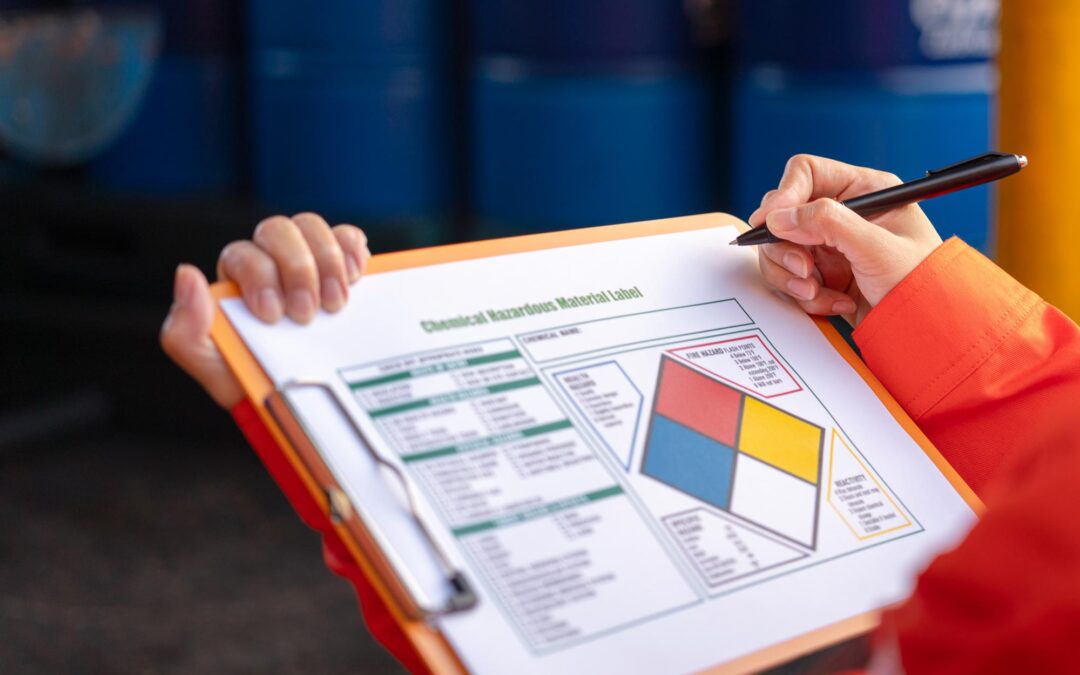
- Chemical labels are designed to give you key safety information at a glance, including hazard symbols, signal words (such as “Danger” or “Warning”), and safety steps.
- Ongoing Training
- Effective training goes beyond a one-time session. Ongoing training helps you learn to read labels and SDS information, handle and store chemicals, and respond to spills or exposures quickly and safely.
- Your Workplace HazCom Program
- Every workplace should have a written Hazard Communication Program that outlines how labels, SDS, and training all fit together.
Why HazCom Matters
HazCom is here to ensure you go home safe at the end of every shift. When you are informed about the chemicals you handle, it’s easier to prevent accidents, avoid unnecessary exposure, and protect your team. Simply put, informed workers are safer workers.
HazCom only works if everyone participates and follows these guidelines:
- Review the SDS before using a chemical for the first time
- Pay attention to labels and warning symbols
- Participate in safety trainings (even the refreshers)
- Speak up if something doesn’t seem right
Additionally, safety standards evolve and change over time. Make it a habit to revisit chemical safety resources, ask questions, and use trusted resources (OSHA HazCom and CPWR Hazard Communication Training are good places to start).
Ultimately, HazCom ensures you have the right information at the right time so that you can do your job confidently and safely.
Stay alert. Stay informed. Stay Waldsafe.