
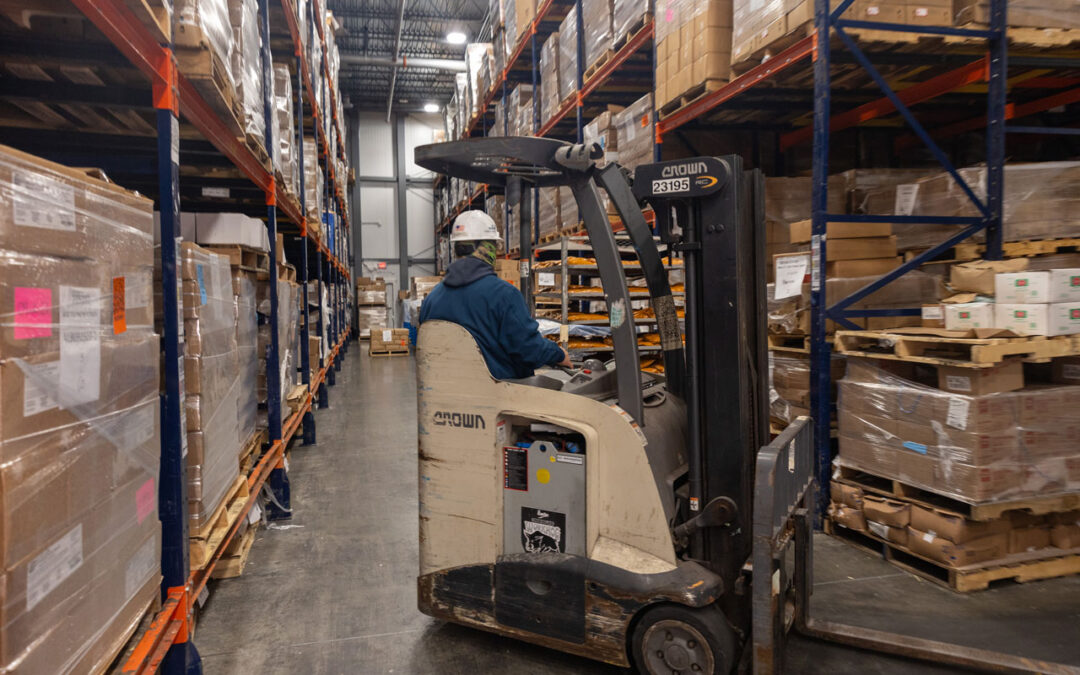
In today’s fast-paced and increasingly complex work environments, staying alert and aware is one of the most effective ways to prevent incidents and protect employee well-being.
Situational awareness—the ability to recognize what’s happening around you, understand its meaning, and anticipate what could happen next—is a foundational safety skill. It requires attention not only to physical surroundings but also to internal cues such as stress levels, fatigue, and intuition.
This Mental Health Awareness Month, we’re highlighting how situational awareness supports both physical safety and psychological well-being, helping teams stay resilient, responsive, and connected.
Why Situational Awareness Matters in 2026
Workplaces today are shaped by constant change—new technologies, evolving workflows, and increased distractions. In this environment, situational awareness plays a critical role in:
- Preventing incidents before they happen by identifying hazards early
- Improving decision-making in high-pressure or time-sensitive situations
- Strengthening communication and coordination across teams and locations
- Recognizing behavioral or emotional shifts that may signal stress, burnout, or potential safety concerns
Awareness isn’t just about reacting—it’s about staying ahead of risk.
Building a Culture of Awareness
Situational awareness isn’t developed in a single training session—it’s built through consistent practice and reinforced through workplace culture.
Observation
Encourage employees to actively scan their environment. This includes noticing unusual activity, environmental changes, or potential hazards.
Information Gathering
Promote the use of multiple inputs—visual cues, digital alerts, team communication, and written procedures—to form a complete understanding of situations as they evolve.
Assessment and Anticipation
Empower employees to think critically and ask: “What could happen next?” This forward-thinking mindset strengthens risk assessment and leads to quicker, more effective responses.
Everyday Strategies That Make a Difference
Maintaining situational awareness requires intention—especially in a world filled with distractions.
- Stay present: Encourage employees to minimize distractions and focus on the task at hand
- Leverage technology wisely: Use tools like safety apps, wearables, and alerts to enhance—not replace—awareness
- Practice regularly: Reinforce skills through training, drills, and scenario-based simulations
- Encourage speaking up: Create an environment where employees feel comfortable reporting concerns or unusual observations
In a strong safety culture, awareness is shared—and every voice contributes to prevention.
Moving Toward Safer, More Resilient Workplaces
Situational awareness isn’t just for emergencies—it’s a daily habit that supports safety, teamwork, and well-being across all work environments.
By prioritizing awareness, organizations can reduce risk, strengthen communication, and empower employees to take an active role in safety. The result is not just fewer incidents, but a more engaged and resilient workforce.
Together, we can build workplaces where awareness becomes second nature—and safety becomes a shared success.